



Cleavable Linker
Cleavable linkers are critical structural components of antibody-drug conjugates (ADCs) that control intracellular payload release while maintaining systemic stability during circulation[1][2]. Mechanistically, cleavable linker systems exploit tumor-associated biochemical triggers, including lysosomal proteases, acidic intracellular compartments, and reducing cytosolic environments, to enable selective drug release within target cells[1][2][3]. Enzyme-sensitive peptide linkers, particularly valine-citrulline (Val-Cit) motifs, are extensively used because cathepsin-mediated cleavage efficiently liberates cytotoxic payloads after ADC internalization and lysosomal trafficking[2][3][4]. Disulfide-based cleavable linkers instead respond to elevated intracellular glutathione concentrations and redox imbalance in malignant cells, providing an alternative release mechanism for targeted drug delivery[1][2]. In cancer models, linker design directly influences pharmacokinetic stability, payload exposure, bystander activity, and therapeutic index, making linker selection a major determinant of ADC performance[1][2]. Compared with non-cleavable linkers, cleavable linkers can generate membrane-permeable payload species that extend cytotoxic activity beyond antigen-positive cells, although stability optimization remains essential to minimize premature release and off-target toxicity[2][3]. For experimental applications, ongoing linker engineering focuses on improving plasma stability while preserving efficient intracellular cleavage, supporting the development of next-generation targeted oncology therapeutics[1][4].
References:
- [1]. Xie J, et al. Can remdesivir and its parent nucleoside GS-441524 be potential oral drugs? An in vitro and in vivo DMPK assessment. Acta Pharm Sin B. 2021 Jun;11(6):1607-1616. [Content Brief]
- [2]. Bargh JD , et al. Cleavable linkers in antibody-drug conjugates. Chem Soc Rev. 2019 Aug 12;48(16):4361-4374. [Content Brief]
- [3]. Ashman N, et al. Non-internalising antibody-drug conjugates. Chem Soc Rev. 2022 Nov 14;51(22):9182-9202. [Content Brief]
- [4]. Merchán A, et al. Exploring Rigid and Flexible Scaffolds to Develop Potent Glucuronic Acid Glycodendrimers for Dengue Virus Inhibition. Bioconjug Chem. 2024 Jan 17;35(1):34-42. [Content Brief]
-
Cleavable Linker Related Products (444)
Related Products (444)

-
Mc-Val-Cit-PABC-PNP
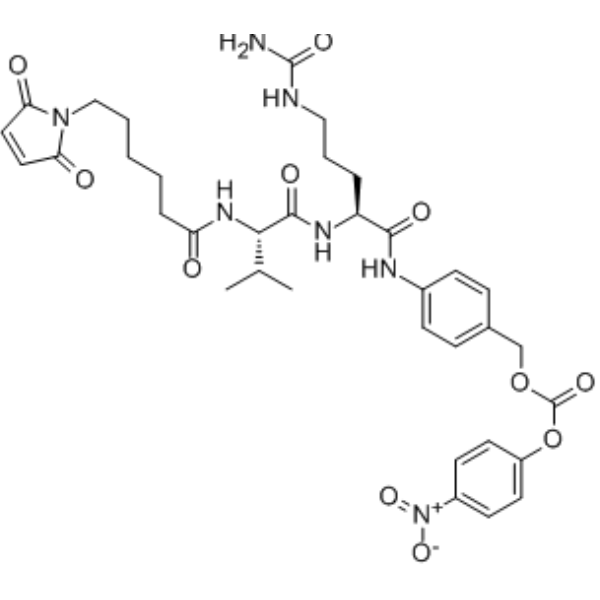 0 ImagesSynonyms: Maleimidocaproyl-L-valine-L-citrulline-p-aminobenzyl alcohol p-nitrophenyl carbonateMc-Val-Cit-PABC-PNP is a cathepsin cleavable linker for antibody-drug conjugates (ADCs) which couples the antibody element to the effecting compound. Mc-Val-Cit-PABC-PNP can be used in the synthesis of ADCs.
-
SPDP
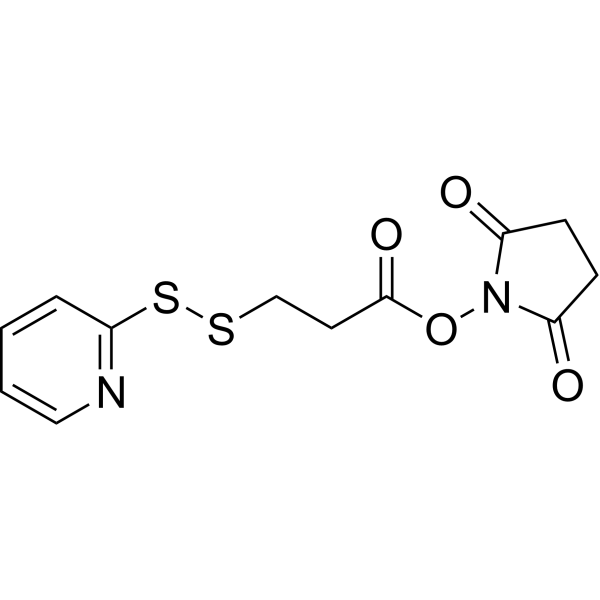 0 ImagesSynonyms: SPDP Crosslinker; Py-ds-Prp-OSuSPDP (SPDP Crosslinker) is a short-chain crosslinker for amine-to-sulfhydryl conjugation via NHS-ester and pyridyldithiol reactive groups that form cleavable (reducible) disulfide bonds with cysteine sulfhydryls. It is a glutathione cleavable ADC linker used for the antibody-drug conjugates (ADCs).
-
Fmoc-Val-Cit-PAB-PNP
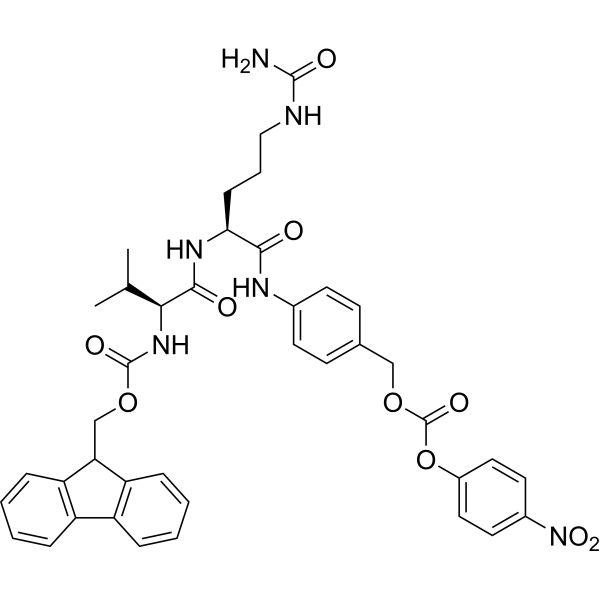 0 ImagesFmoc-Val-Cit-PAB-PNP is a cleavable ADC linker used in the synthesis of antibody-drug conjugates (ADCs). Fmoc-Val-Cit-PAB-PNP has superior plasma stability comparable to that of non-cleavable linkers.
-
Val-cit-PAB-OH
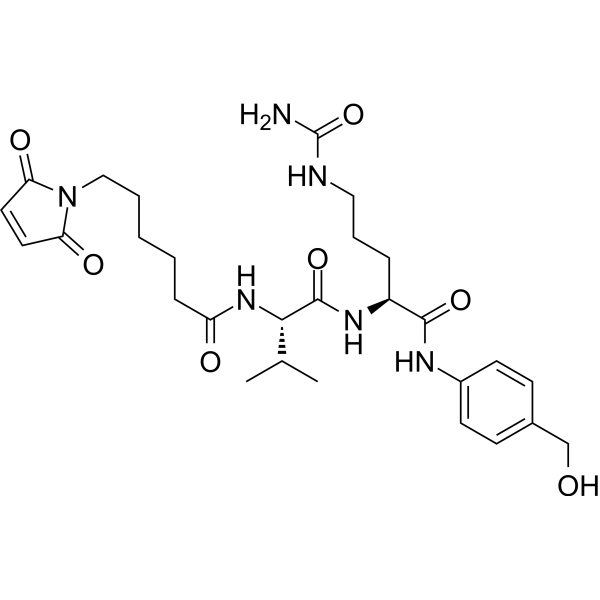
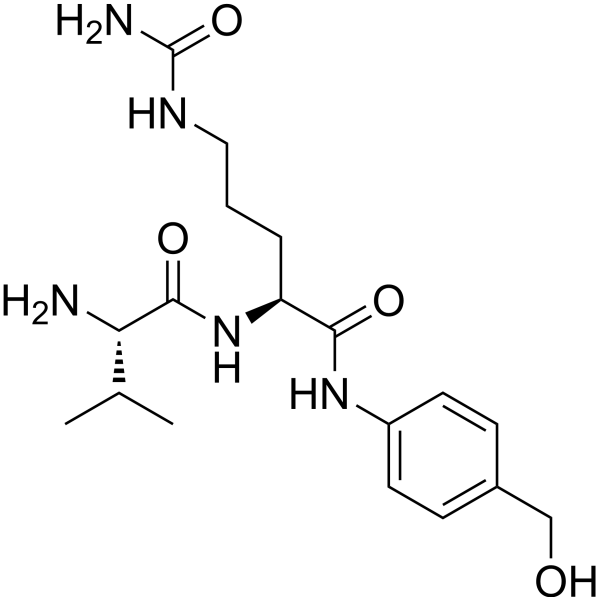 0 ImagesVal-cit-PAB-OH is a degradable ADC linker.
-
m-PEG3-Amine
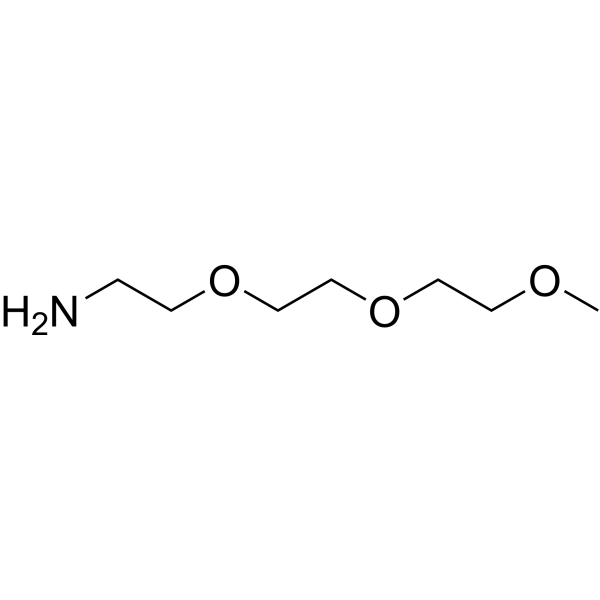 0 Imagesm-PEG3-Amine is a PEG-based PROTAC linker can be used in the synthesis of PROTACs. m-PEG3-Amine is a cleavable ADC linker used in the synthesis of antibody-drug conjugates (ADCs).
-
Methyltetrazine-Maleimide
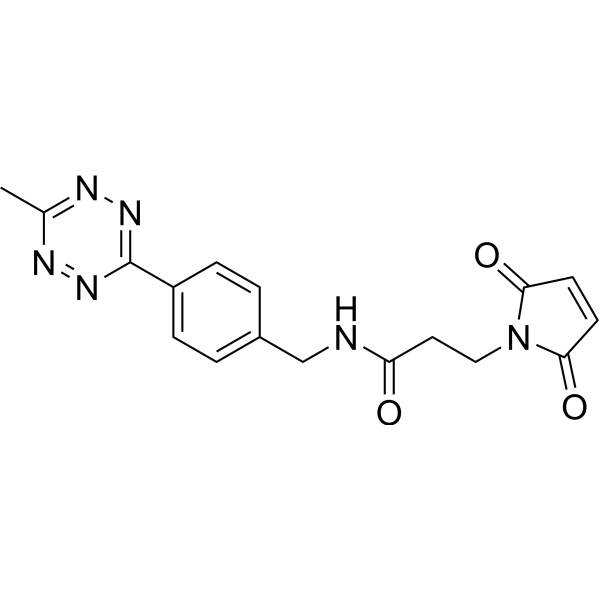 0 ImagesCat. No.: HY-136104Purity: 98.12%Methyltetrazine-Maleimide is a non-cleavable ADC linker used in the synthesis of antibody-drug conjugates (ADCs). Methyltetrazine-Maleimide is a click chemistry reagent, it contains a Tetrazine group that can undergo an inverse electron demand Diels-Alder reaction (iEDDA) with molecules containing TCO groups.
-
Mc-Asn-Asn
 0 ImagesMc-Asn-Asn is a legumain cleavable linker for antibody-drug conjugates (ADCs) which couples the antibody element to the effecting compound. Mc-Asn-Asn can be used in the synthesis of ADCs.
-
6-Azido-hexylamine
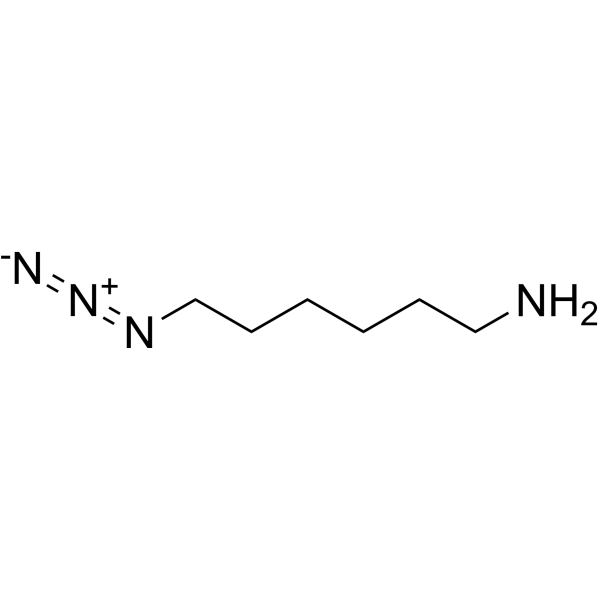 0 Images6-Azido-hexylamine is a cleavable ADC linker used in the synthesis of antibody-drug conjugates (ADCs). 6-Azido-hexylamine is a click chemistry reagent, it contains an Azide group and can undergo copper-catalyzed azide-alkyne cycloaddition reaction (CuAAc) with molecules containing Alkyne groups. It can also undergo strain-promoted alkyne-azide cycloaddition (SPAAC) reactions with molecules containing DBCO or BCN groups.
-
Fmoc-NH-PEG4-CH2CH2COOH
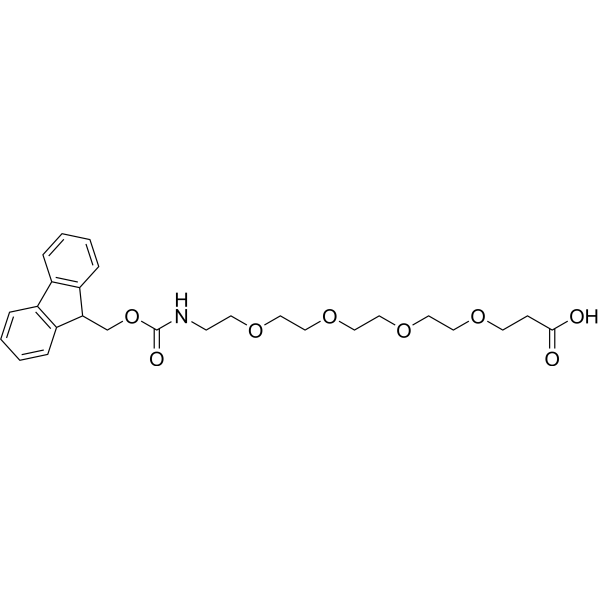 0 ImagesSynonyms: Fmoc-15-amino-4,7,10,13-tetraoxapentadecanoic acidFmoc-NH-PEG4-CH2CH2COOH is a cleavable ADC linker used in the synthesis of antibody-drug conjugates (ADCs). Fmoc-NH-PEG4-CH2CH2COOH is also a PEG-based PROTAC linker that can be used in the synthesis of PROTACs.
-
N-Butanoyl-L-homoserine lactone
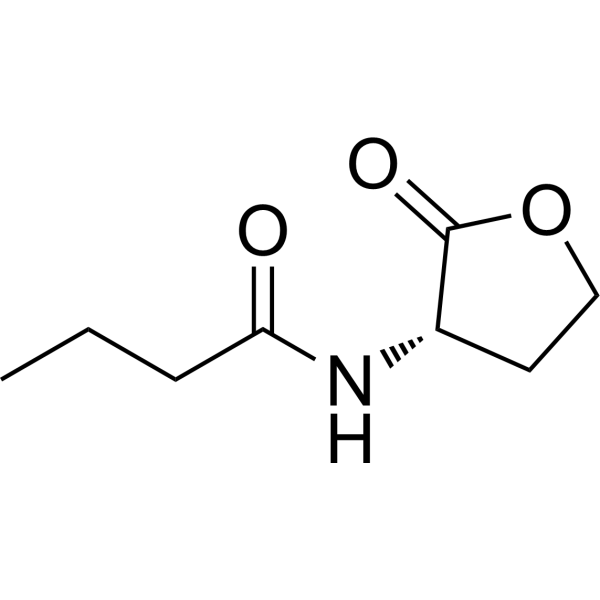 0 ImagesSynonyms: C4-HSL; N-Butyryl-L-homoserine lactoneN-Butanoyl-L-homoserine lactone (C4-HSL) is a cleavable ADC linker used in the synthesis of antibody-drug conjugates (ADCs). N-Butanoyl-L-homoserine lactone has antibacterial activity and is used in antibacterial biofilm. N-Butanoyl-L-homoserine lactone aptamers blocks qurom sensing and inhibits biofilm formation in Pseudomonas aeruginosa.
-
Fmoc-3VVD-OH
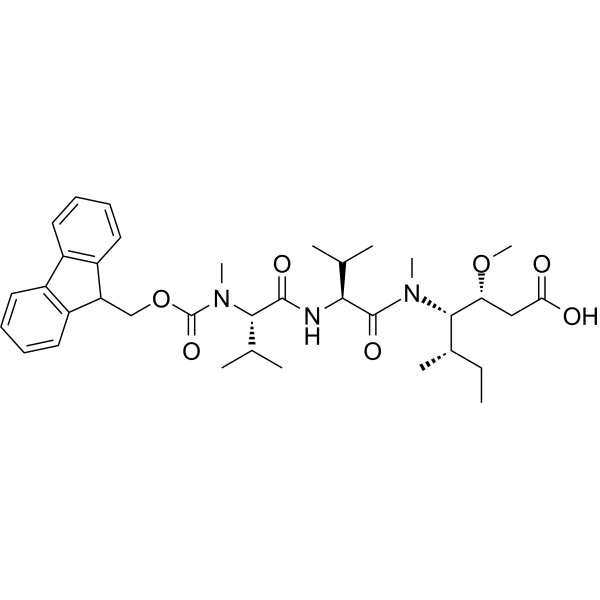 0 ImagesFmoc-3VVD-OH is a cleavable ADC linker used in the synthesis of antibody-drug conjugates (ADCs).
-
Fmoc-8-amino-3,6-dioxaoctanoic acid
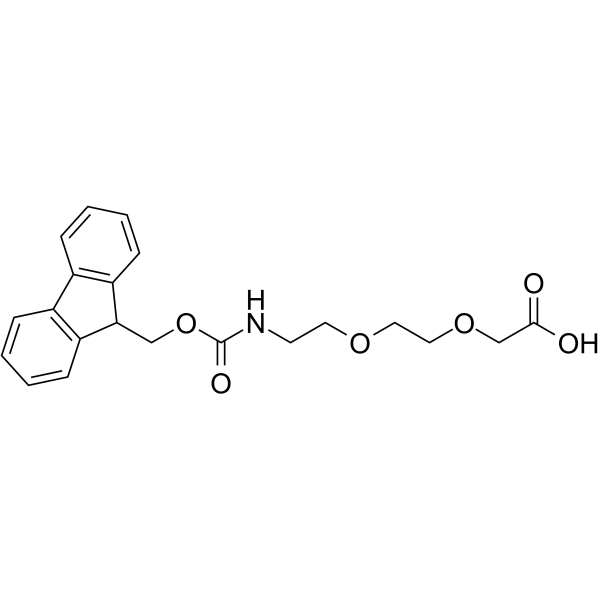 0 ImagesSynonyms: Fmoc-NH-PEG2-CH2COOHFmoc-8-amino-3,6-dioxaoctanoic acid (Fmoc-NH-PEG2-CH2COOH) is a cleavable ADC linker used in the synthesis of antibody-drug conjugates (ADCs). Fmoc-8-amino-3,6-dioxaoctanoic acid is also a PEG-based PROTAC linker that can be used in the synthesis of PROTACs.
-
DBCO-PEG5-NHS ester
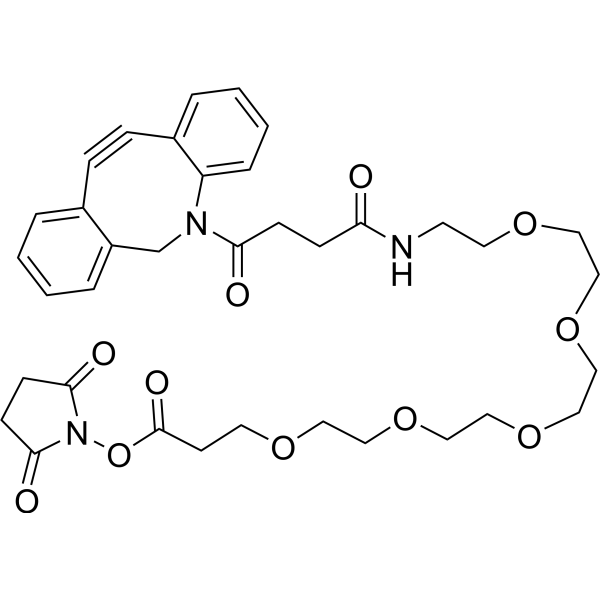 0 ImagesCat. No.: HY-126885CAS No.: 2144395-59-3DBCO-PEG5-NHS ester is a PEG/Alkyl/ether-based PROTAC linker can be used in the synthesis of PROTACs. DBCO-PEG5-NHS ester is a cleavable ADC linker used in the synthesis of antibody-drug conjugates (ADCs). DBCO-PEG5-NHS ester is a click chemistry reagent, it contains a DBCO group that can undergo strain-promoted alkyne-azide cycloaddition (SPAAC) with molecules containing Azide groups.
-
MAC glucuronide linker-2
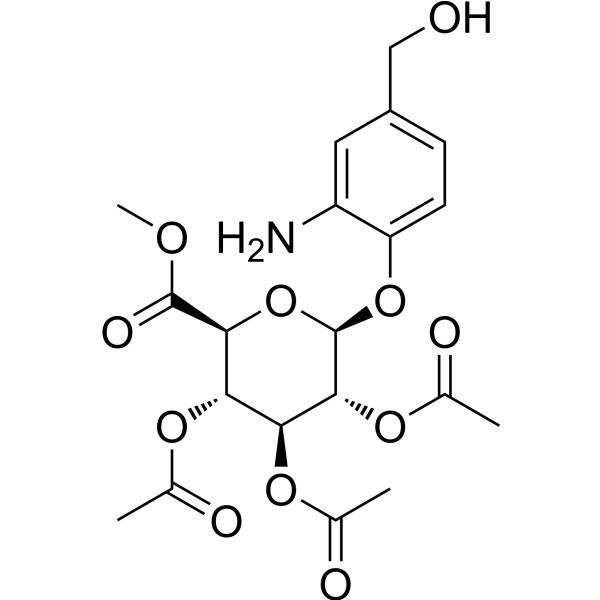 0 ImagesMAC glucuronide linker-2 is a cleavable ADC linker used in the synthesis of antibody-drug conjugates (ADCs).
-
Fmoc-Val-Cit-PAB
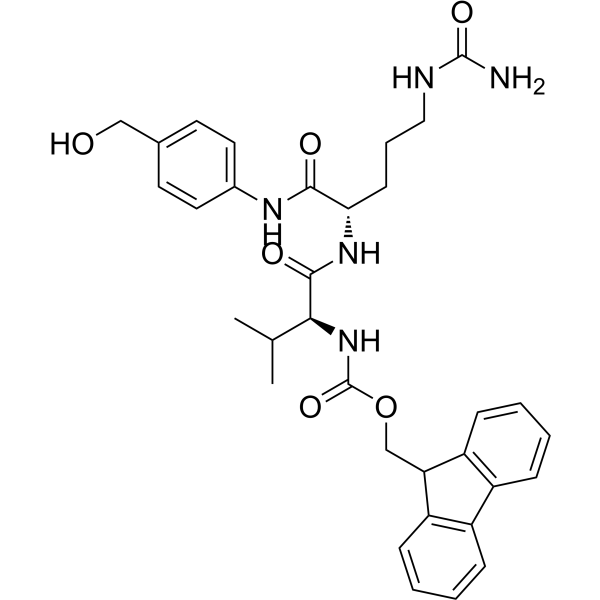 0 ImagesFmoc-Val-Cit-PAB is a cleavable antibody-conjugated active molecule (ADC) commonly used linker.
-
Azido-PEG8-NHS ester
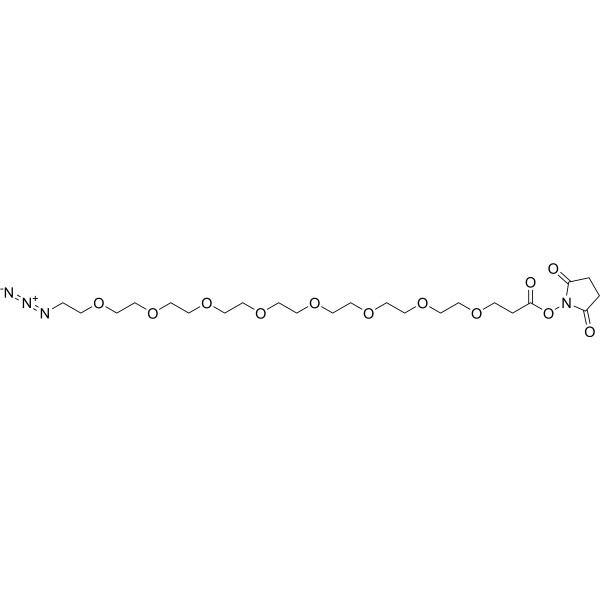 0 ImagesAzido-PEG8-NHS ester is a cleavable 8 unit PEG ADC linker used in the synthesis of antibody-drug conjugates (ADCs). Azido-PEG8-NHS ester is also a PEG- and Alkyl/ether-based PROTAC linker that can be used in the synthesis of PROTACs. Azido-PEG8-NHS ester is a click chemistry reagent, it contains an Azide group and can undergo copper-catalyzed azide-alkyne cycloaddition reaction (CuAAc) with molecules containing Alkyne groups. It can also undergo strain-promoted alkyne-azide cycloaddition (SPAAC) reactions with molecules containing DBCO or BCN groups.
-
β-D-glucuronide-pNP-carbonate
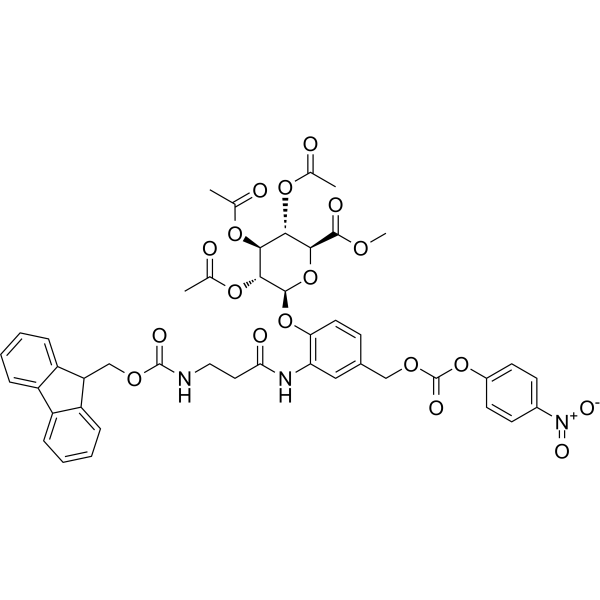 0 Imagesβ-D-glucuronide-pNP-carbonate is a cleavable ADC linker used in the synthesis of antibody-drug conjugates (ADCs).
-
Boc-NH-PEG4-CH2CH2NH2
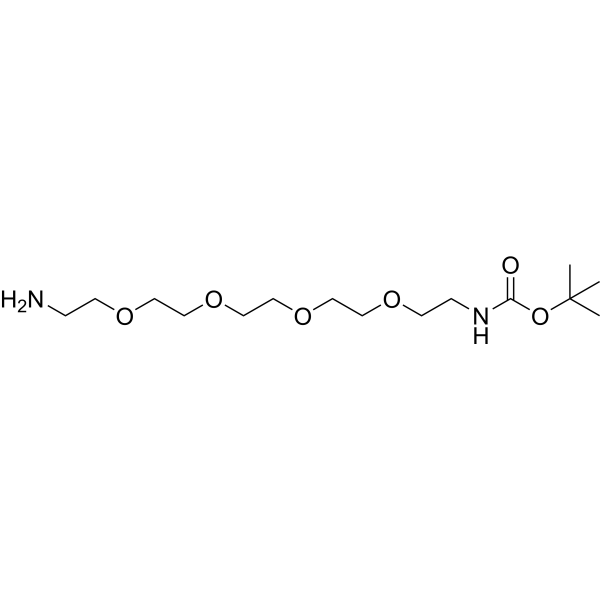 0 ImagesCat. No.: HY-W008352CAS No.: 811442-84-9Boc-NH-PEG4-CH2CH2NH2 a cleavable 5 unit PEG ADC linker used in the synthesis of antibody-drug conjugates (ADCs). Boc-NH-PEG4-CH2CH2NH2 is also a PEG-based PROTAC linker that can be used in the synthesis of PROTACs.
-
Bis-PEG9-NHS ester
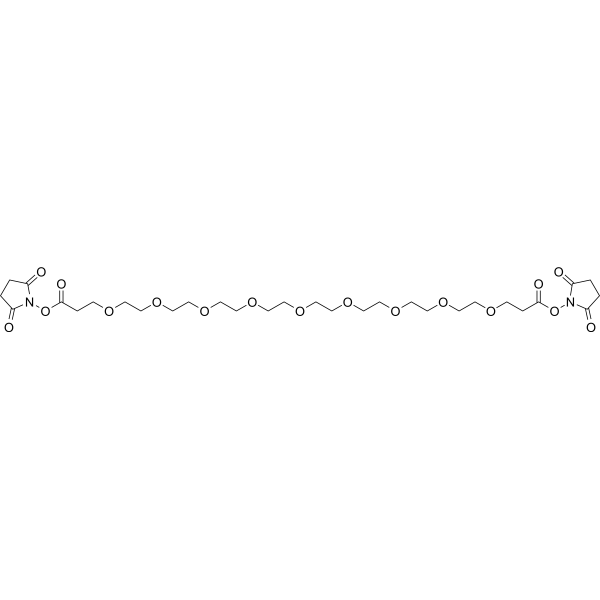 0 ImagesBis-PEG9-NHS ester is a PEG/Alkyl/ether-based PROTAC linker can be used in the synthesis of PROTACs. Bis-PEG9-NHS ester is a cleavable ADC linker used in the synthesis of antibody-drug conjugates (ADCs).



